

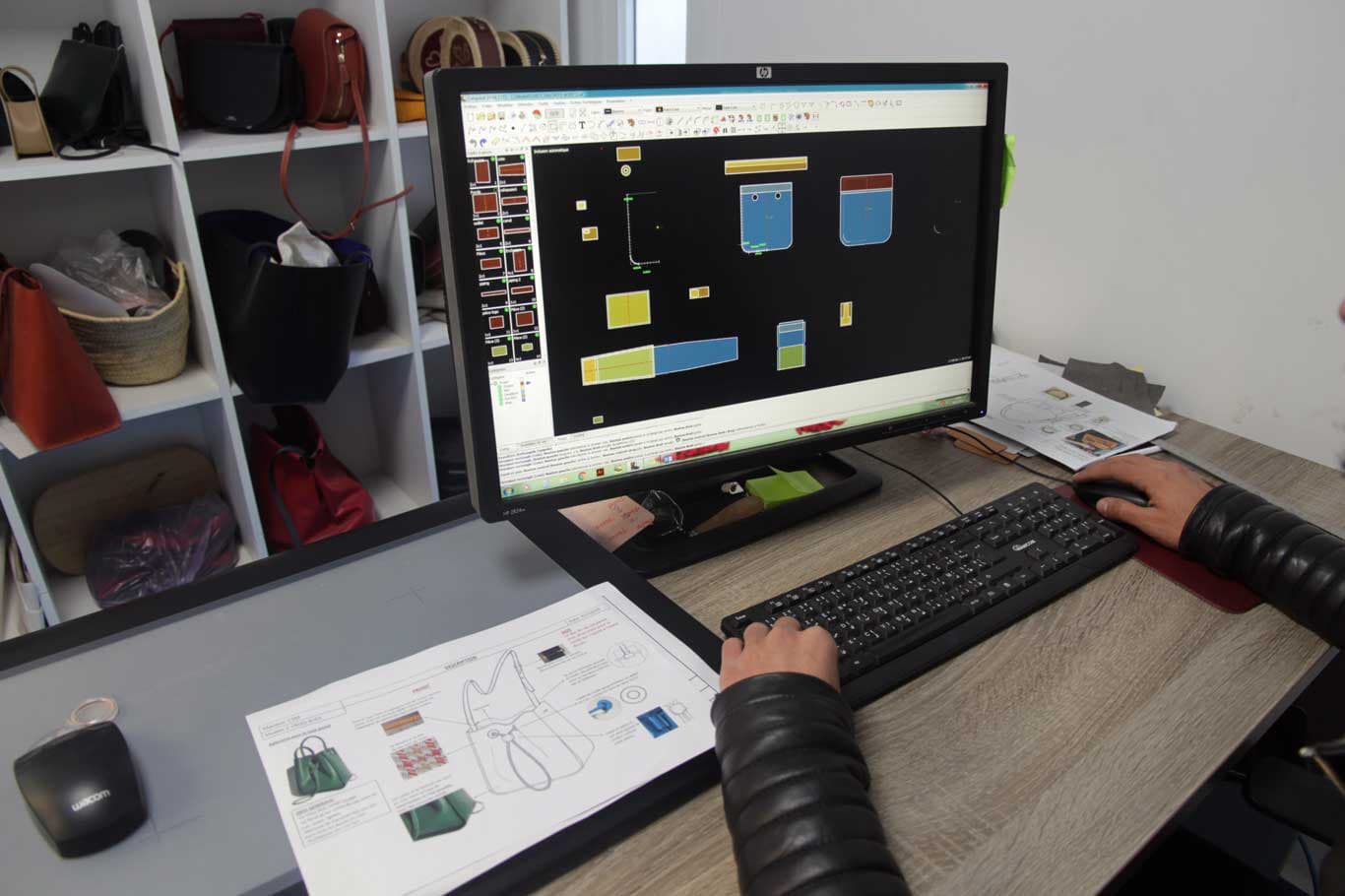
Handing a design to a manufacturer means handing over patterns, construction details and often the commercial thinking behind a product. For a young brand it can be the single most valuable thing it owns.
This article covers what protection is actually available, what an NDA does and does not do, and which practical controls matter more than the paperwork.
This is general information about common industry practice, not legal advice. Intellectual property law differs by country, and a qualified adviser in your market should review anything you rely on.
Start with what you are protecting
The word "design" covers several distinct things, and they are protected differently.
The visual appearance — shape, silhouette, distinctive ornamentation. This is what registered design rights cover.
The brand identity — name, logo, distinctive marks. Trademarks.
The technical specification — patterns, construction method, material choices, the tech pack itself. Usually protected as confidential information rather than by registration.
The commercial information — costs, quantities, launch timing, buyer relationships. Confidential information.
A single NDA can cover the last two. It does not create rights in the first two.
What an NDA actually does
A non-disclosure agreement is a contract in which the recipient agrees not to disclose or misuse information you share. It is genuinely useful, and it is worth having.
It has real limits.
It does not create ownership. An NDA restricts disclosure. It does not, by itself, establish who owns a design that the factory helped develop.
It is only as good as enforcement. Enforcing a contract across borders is slow and expensive. Its practical value is often deterrence and clarity rather than litigation.
It cannot protect what is already public. Once a product is on sale, its appearance is visible to everyone. An NDA covers confidential information, and a shipped product is not confidential.
It does not stop generic imitation. A factory can often make something broadly similar without using your confidential information at all.
What a useful NDA contains
- A clear definition of confidential information, covering tech packs, patterns, samples, prices and volumes
- A duration that extends beyond the relationship
- An explicit statement that subcontractors are bound by the same terms
- A prohibition on manufacturing your designs for third parties
- A requirement to return or destroy materials when the relationship ends
- Governing law and dispute resolution that is realistically usable
- Clarity on ownership of patterns and tooling
That last point is the one most often left out, and the one most likely to matter.

Who owns the pattern?
When a factory turns your sketch into a production-ready pattern, it has created something with real value. In the absence of an agreement, ownership can be genuinely unclear — and practice varies.
Settle it in writing before development starts. Typical arrangements include the brand owning patterns outright, often where it has paid development costs; the factory owning them but agreeing not to use them for others; or joint arrangements where the brand can take patterns elsewhere on defined terms.
Any of these can be reasonable. What is not reasonable is discovering the question is open at the moment you want to move production.
The same applies to tooling. Cutting dies and embossing plates are physical objects that someone paid for. Agree who owns them, where they are stored, and what happens to them if the relationship ends.
Registered rights
Contracts protect you against a specific counterparty. Registered rights protect you against the world, and they are the stronger protection where they apply.
Registered designs protect the appearance of a product. In most jurisdictions, novelty is required — which means registering before public disclosure. Many brands lose the ability to register simply by showing the product first.
Trademarks protect brand names, logos and, in some jurisdictions, distinctive shapes. Register in the markets where you sell and, importantly, in the country where you manufacture.
Copyright may cover original artwork and prints, arising automatically in most jurisdictions.
Registering in your manufacturing country is the step most often skipped. It is what gives you standing to act locally if something goes wrong.
Practical controls that work
Paperwork sets the rules. These reduce the chance you need to invoke them.
Choose a partner with something to lose. An established manufacturer with a client list and a reputation has strong commercial reasons not to misuse a design. This is the single most effective protection available.
Share on a need-to-know basis. Send the specification for what is being made now, not the full season.
Split highly sensitive work. Where a component is genuinely distinctive, sourcing it separately means no single supplier holds the complete picture.
Own the distinctive components. Custom hardware tooling that you own and control is difficult to replicate.
Keep dated records. Dated design files, emails and sample records establish who created what and when. This is unglamorous and repeatedly decisive.
Watch the market. Protection is worthless if infringement goes unnoticed.
A realistic view
Most manufacturers are not trying to steal designs. The commercial logic is poor: copying a client's product risks the client relationship and the reputation that brings other clients, usually for a small and short-lived gain.
The genuine risks are more mundane — a design leaking through a subcontractor you did not know about, a pattern you cannot take with you because ownership was never agreed, or a registration you cannot make because the product was shown publicly first.
All three are addressed by the same discipline: agree ownership in writing before development starts, know who else touches your product, and register before you disclose.
Where to go from here
If confidentiality matters to your project, raise it in the first conversation rather than after samples have been made. A manufacturer's willingness to sign a sensible NDA and to be clear about pattern and tooling ownership tells you something useful about how they work.
We are happy to discuss confidentiality arrangements before any specification is shared — get in touch.