

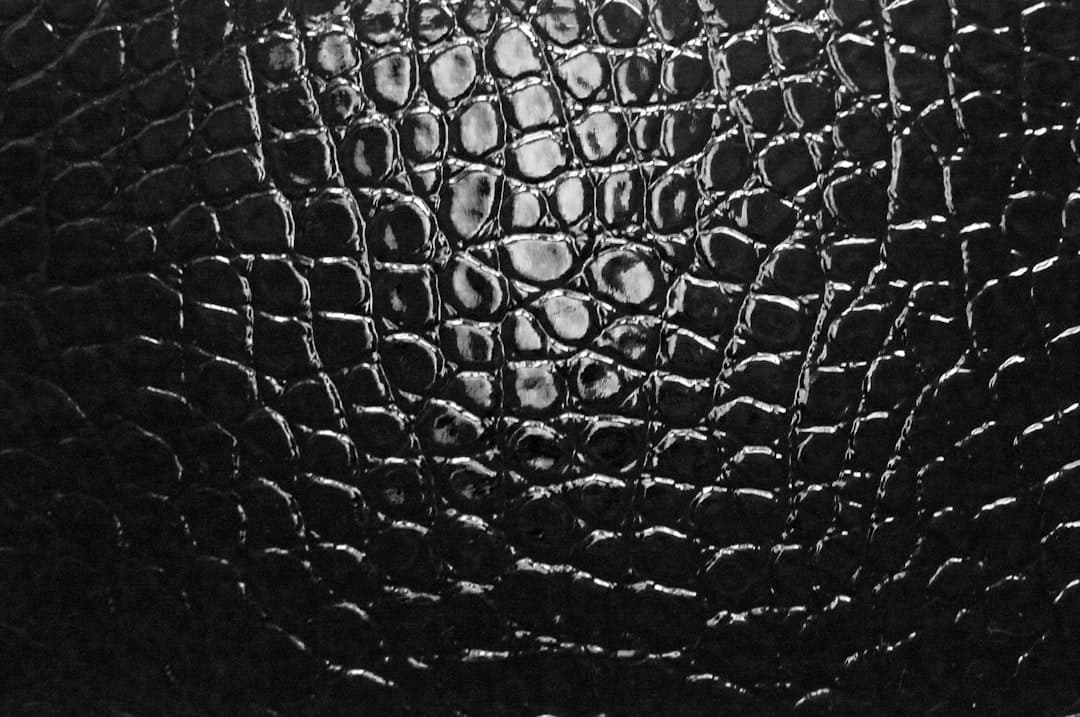
Working with crocodile, alligator, python, lizard or ostrich leather means working within CITES — the Convention on International Trade in Endangered Species of Wild Fauna and Flora. It governs the international movement of these materials, and it applies to finished products, not only to raw skins.
The consequences of getting it wrong are more serious than with most trade regulation. Goods can be seized and destroyed, and offences can carry criminal liability.
This is general guidance, not legal advice. CITES listings and national implementations change. Verify current requirements with your national CITES Management Authority before any shipment.
What CITES covers
CITES lists species in three appendices reflecting the level of protection.
Appendix I covers species threatened with extinction. Commercial international trade is generally prohibited, with narrow exceptions such as specimens from registered captive-breeding operations.
Appendix II covers species not necessarily threatened now but which may become so without controlled trade. Commercial trade is permitted with the correct permits. Most exotic leathers used commercially sit here.
Appendix III covers species protected by at least one country requesting cooperation from others.
Crucially, the listing attaches to the species, and sometimes to specific populations within a species. Two crocodile skins that look identical may have entirely different regulatory status depending on species and country of origin.
Which materials are affected
Commonly used exotic leathers under CITES control include crocodile and alligator, python and other snake species, monitor and other lizards, and stingray. Ostrich is a case worth flagging: it is listed, but the commercially farmed populations relevant to leather are generally treated differently from wild ones — another example of why the specific source matters.
Common leathers such as bovine, ovine, caprine and porcine are not CITES-controlled.
Permits and certificates
Movement of CITES specimens requires documentation issued by government Management Authorities.
Export permit from the exporting country, confirming legal acquisition and that export is not detrimental to the species.
Import permit required by the destination for Appendix I, and by some jurisdictions — including the EU — for certain Appendix II material.
Re-export certificate, required when a specimen that was previously imported is exported again. This is the document most relevant to manufacturing, and the one most often mishandled.
The re-export chain matters. If a skin is imported into a manufacturing country, made into a finished bag, and that bag is exported to a third country, the shipment needs a re-export certificate referencing the original import documentation. Each movement must be traceable back through the chain to the original legal export.
Break the chain — lose the original documentation, fail to record which skin went into which product — and the material can become commercially unusable, however legally it was originally acquired.
The EU regime
The EU implements CITES through its own Wildlife Trade Regulations, which are in some respects stricter than the convention itself. The EU uses its own annexes (A, B, C and D) which do not map exactly onto the CITES appendices, and some species receive stricter treatment.
The EU also requires import permits for material that would need only an export permit under CITES alone, and applies specific rules for personal and household effects that differ from commercial imports.
For a brand importing exotic leather goods into the EU, the practical implication is that meeting baseline CITES requirements is not automatically sufficient. Check the EU annex classification specifically.
Documentation discipline in manufacturing
This is where manufacturing projects most often run into difficulty.
Traceability must be maintained through production. Records need to connect the finished article to the specific skin, and that skin to its import documentation. This means the factory keeps records at a level of granularity that ordinary leather does not require.
Permits are consignment-specific. They are not general licences. Each movement needs its own valid documentation, issued before shipment.
Timing matters. Permits take time to issue and have validity periods. A permit that expires before the shipment moves is invalid, and a new application is needed.
Marking requirements apply to certain species, commonly involving tags with unique identifying numbers that must remain intact and must correspond to the documentation.
Where things go wrong
- Shipping before permits are issued, on the assumption they will follow
- Losing the documentary chain between import of the skin and export of the finished product
- Mismatches between the species named on the permit and the actual material
- Expired permits
- Missing or damaged marking tags
- Assuming CITES compliance is sufficient for the EU without checking the EU annex
- Treating a finished product as exempt because it is manufactured rather than raw
That last misconception is common and costly. A finished handbag made from a CITES-listed skin is a CITES specimen.
Practical guidance for brands
Ask before you specify. Establish the species, the source country, the appendix and annex classification, and whether the material is wild-sourced or from a registered captive-breeding operation. Get this in writing.
Verify your manufacturer's experience. Handling exotic materials requires established documentary processes. A factory without them will struggle regardless of its craft skills.
Budget the time. Permit processes add weeks. Build them into the calendar rather than discovering them at shipment.
Keep your own records. Do not rely solely on the supplier's file. As importer you may need to evidence legality years later.
Plan for every destination. A product sold across multiple markets may need documentation for each movement, including returns and samples travelling to trade shows.
Consider whether you need it. Exotic leathers carry cost, lead time and regulatory burden. Some brands achieve a comparable aesthetic with embossed bovine leather at a fraction of the complexity — an option covered in our guide to exotic leathers.
Where to go from here
Exotic leather is workable, and many brands work with it successfully. It requires discipline in documentation from the first enquiry rather than at the point of shipment.
If you are considering an exotic material for a project, talk to us early — the regulatory path is much easier to plan at the design stage than after materials have been ordered.